



Sixty-two members of Congress are demanding the Department of Education act before millions more borrowers fall into default and they want answers by June 22.
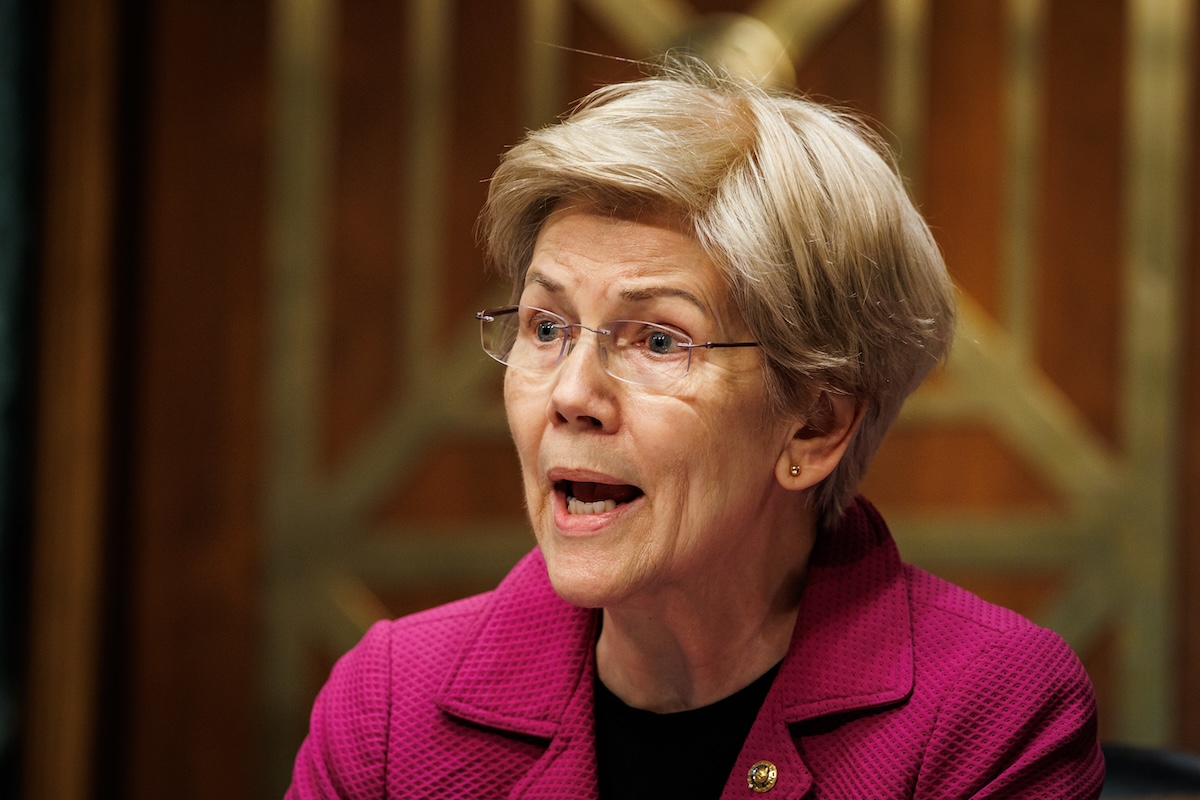
A June 7 letter (PDF File) led by Senators Elizabeth Warren (D-Mass.) and Jeff Merkley (D-Ore.), along with Representatives Ayanna Pressley (D-Mass.) and André Carson (D-Ind.), warns Education Secretary Linda McMahon that the U.S. is facing “the largest student loan default and delinquency crisis on record.”
This comes as the entire student loan system is changing on July 1 – from new repayment plans, loan caps, and borrowers in the SAVE plan being forced to leave forbearance.
Would you like to save this?
Why It Matters
The lawmakers argue the administration’s policies are driving the crisis and that the financial damage is spreading well beyond student loan borrowers and into credit markets, housing, and household budgets.
Starting July 1, federal loan servicers will begin sending 90-day notices to roughly 7 million borrowers stuck in the SAVE forbearance. Borrowers who don’t pick a new plan get moved into the Standard or Tiered Standard plan, which can raise monthly payments by hundreds of dollars.
By The Numbers
Close to 9 million borrowers are now in default — up from about 5 million last summer, according to a February analysis by The Century Foundation and Protect Borrowers. Of those, 3.6 million defaulted during the administration’s first year, or roughly one every nine seconds in 2025.
One in four borrowers with payments due is delinquent. 75% of those who slid from delinquency into default had never defaulted before. Around 2 million borrowers saw their credit scores fall by an average of 100 points in 2025.
When collections fully resume, Moody’s Analytics estimates more than $30 billion could be seized from paychecks, Social Security checks, and tax refunds by the end of 2027.
What They’re Asking
The coalition laid out five steps for the Department of Education to take immediately:
- Cancel debt for borrowers who already qualify under existing programs, including IDR forgiveness, Total and Permanent Disability discharge, closed school discharge, borrower defense, and Public Service Loan Forgiveness.
- Rehire fired Federal Student Aid staff. The letter notes ED cut 653 FSA employees (more than 40% of the office that manages loans and oversees servicers).
- Clear the backlog of income-driven repayment applications.
- Enroll all 7.5 million SAVE borrowers in the lowest-cost plan available to them if they don’t choose one.
- Keep the pause on forced collections, end the agreement handing default collections to the Treasury Department, and create an interest-free default-prevention forbearance.
The lawmakers asked McMahon to respond in writing by June 22, 2026.
How This Connects
This is the second time in eight months that a Democratic coalition has pressed ED on the default cliff.
The pressure tracks a transition The College Investor has covered closely: the SAVE plan was permanently blocked by court order, and its forbearance is set to end this fall.
As we’ve reported, borrowers leaving SAVE can move to IBR, or to the new Repayment Assistance Plan (RAP) launching July 1, while PAYE and ICR are scheduled to disappear by mid-2028 under the One Big Beautiful Bill Act, narrowing the menu of affordable options.
Don’t Miss These Other Stories:
Warren Asks GAO To Probe Whether Education Department Cuts Have Crippled College Oversight
Democrats File Resolution to Block ED’s OBBBA Student Loan Final Rule
Senators Demand SAVE Plan Timeline From Education Dept
Editor: Colin Graves
The post 62 Lawmakers Demand Education Department Act on Student Loan Default Crisis appeared first on The College Investor.
