


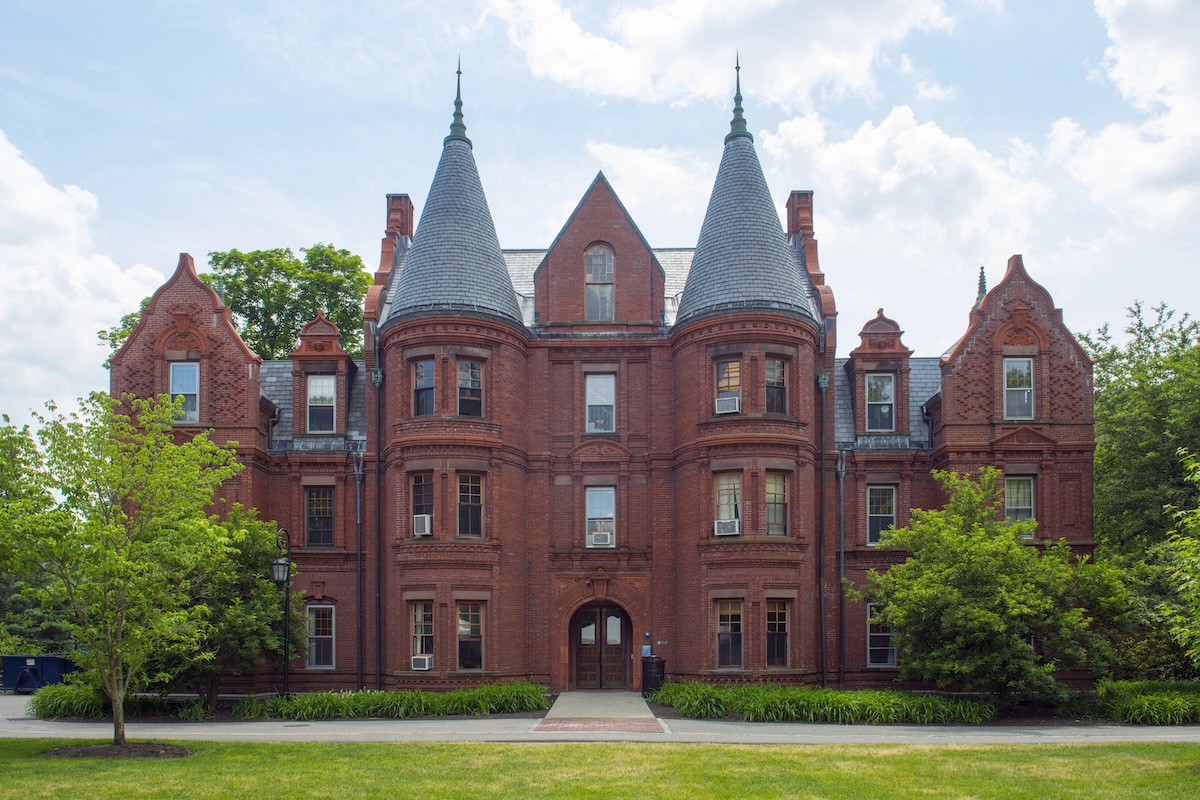


Wellesley College announced that families earning under $200,000 a year will pay no tuition beginning in fall 2027, under a policy it is calling the Wellesley Tuition Promise. The threshold replaces the $150,000 cutoff the college adopted for this fall, a jump of $50,000 in eligibility less than nine months later. Wellesley now sits alongside the small group of endowment-heavy institutions that have pushed free tuition into six-figure household income territory.
Tuition alone for the 2026-27 academic year runs $72,570, with housing at $12,020, meals at $11,186 and a $360 activity fee on top. Dean of Admission and Financial Aid T. Peaches Valdes said the college is “committed to expanding accessibility by making a Wellesley education more affordable.”
As the Boston Globe reported, eligible students will still owe somewhere between $0 and roughly $26,000 for housing, meals and other costs depending on need. This is why families still need to run the net price calculator before applying.
Why It Matters
Free tuition is not free college, and the gap between those two things is where families get in trouble. A student from a household earning $180,000 gets $72,570 off, but can still face a $23,000 annual bill for room and board ($92,000 over four years). Families planning around these offers need the full cost of attendance figure, not just the tuition line.
The timing is not accidental. The 2025 tax law raised the endowment tax to a top rate of 8% but exempted institutions with fewer than 3,000 tuition-paying students. Wellesley enrolls about 2,400.
Schools that dodged the tax have money to redirect, which is exactly the outcome we flagged when Congress wrote the endowment tax while still funding those same schools through federal aid.
There is also an admissions play buried in the financial aid language. A $200,000 cutoff reaches households that earn well into the top 10% nationally, and the schools using it are competing for the same applicants. Wellesley enrolls about 2,400 students, so the marginal cost of extending the promise is small next to the yield it buys, and families weighing the offer against in-state tuition and a smaller loan balance now have a cleaner comparison to run.
The Details
- Under $100,000: tuition covered, no loans in the aid package, and 100% of calculated need met.
- $100,000 to $200,000: tuition covered plus 100% of calculated need met, though housing and meals remain a family expense scaled to the aid formula behind the CSS Profile.
- Above $200,000: need-based aid continues, with awards determined by the same institutional methodology used to calculate the Student Aid Index.
- Asset test: families need “typical assets” for their income band. Business ownership, rental property or oversized taxable accounts can disqualify a household.
- Who qualifies: U.S. citizens and permanent residents whose families live and work in the United States, and who live on campus with a meal plan. International students, roughly 13% of enrollment, still receive need-based aid but fall outside the pledge.
Where Wellesley Lands
The $200,000 line is now the standard among wealthy private colleges. Harvard set it in March 2025, and MIT, Yale, Penn and Caltech followed. Rice extended the same cutoff for fall 2027, while Boston University capped total family costs rather than just tuition. Two schools have gone further: UChicago doubled its threshold to $250,000, and Princeton uses the same figure.
Roughly 60% of Wellesley students already receive aid, with an average award of $70,519, meaning much of this announcement is PR around a policy it was doing anyway.
That pattern shows up sector-wide, where tuition discount rates hit a record 56%. The competitive pressure is also federal: with Parent PLUS borrowing capped at $20,000 a year and $65,000 in total since July 1, expensive private colleges lost the borrowing tool that many families used to close the affordability gap.
What fills the remaining gap is the open question. Room, board and fees at Wellesley total $23,566 a year before books and travel, and the federal caps leave parents short of that at most private colleges. Analysts expect to nearly double private student loan volume this year in response to the federal caps. A tuition promise removes the largest line on the bill without touching the one families most often borrow for.
What’s Next
Watch which colleges offer tuition-free pledges next. Public flagships and mid-tier privates cannot fund a $200,000 cutoff, but some state schools like Texas State’s move to a $100,000 cap shows where that market actually is.

Robert Farrington is the founder of The College Investor and is widely recognized as one of the nation’s leading voices on student loan debt and saving for college. He holds an MBA from UC San Diego Rady School of Management and has spent over 15 years researching, writing, and advising on student loans, 529 plans, financial aid programs, and saving and investing for young professionals.
Robert has been featured in the The New York Times, The Wall Street Journal, The Washington Post, NBC News, and Forbes, where he has been a regular personal finance contributor for over a decade. His work combines both professional expertise and personal experience – he successfully navigated his own student loan repayment journey and has helped thousands of readers do the same.
He is committed to making the intersection of personal finance and education transparent and accessible. You can learn more about Robert on the About Page or on his personal site RobertFarrington.com.
