
Close Menu
Financblog
    What's Hot

    In October 2002, a Russian scientist named Dimitri Malashenkov stood up at a space conference in Houston and quietly explained that the dog Laika, whom the Soviet Union had publicly mourned as a heroic week-long orbiter in 1957, had actually died of heat and panic within about five hours of launch.

    June 5, 2026

    This investing strategy digs deeper to find hidden stocks riding the AI wave

    June 4, 2026

    When survivors near Lake Nyos woke on the morning of 22 August 1986, the cattle were dead in the fields, the birds had fallen out of the trees, and 1,746 of their neighbours were lying where they had stood the night before, with no fire, no flood, and no wound to explain it.

    June 4, 2026
    Facebook X (Twitter) Instagram
    Financblog
    Facebook X (Twitter) Instagram
    • Home
    • Personal Finance
    • Passive Income
    • Saving Tips
    • Banking
    • Loans
    Financblog
    Home»Saving Tips»Scott Kelly spent a year in orbit while his identical twin brother stayed on Earth, and when he came home NASA discovered his gene expression had changed in ways that didn’t fully reverse
    Saving Tips

    Scott Kelly spent a year in orbit while his identical twin brother stayed on Earth, and when he came home NASA discovered his gene expression had changed in ways that didn’t fully reverse

    administraciónBy administraciónMay 28, 2026No Comments5 Mins Read
    Facebook Twitter LinkedIn Telegram Pinterest Tumblr Reddit WhatsApp Email
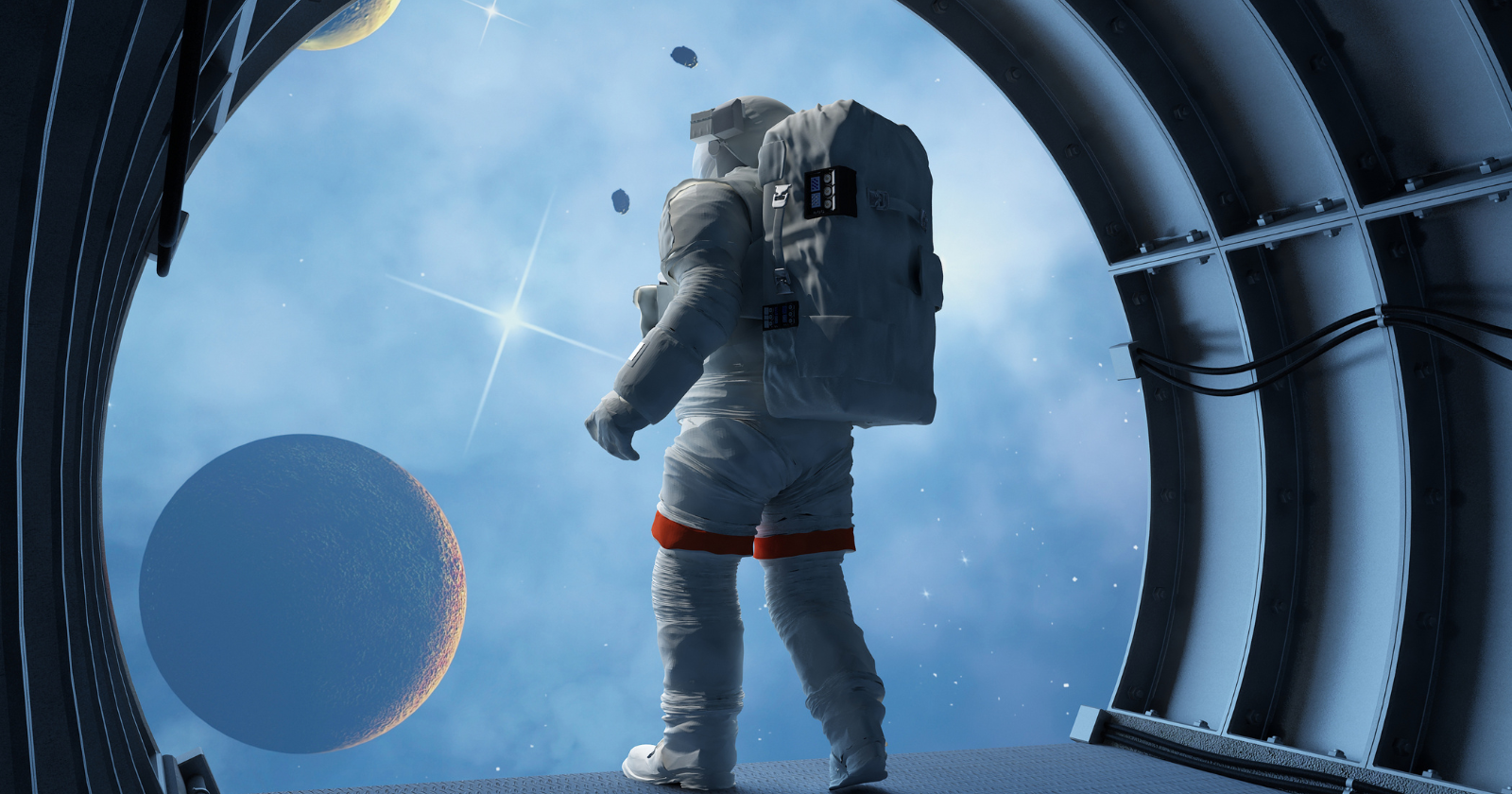
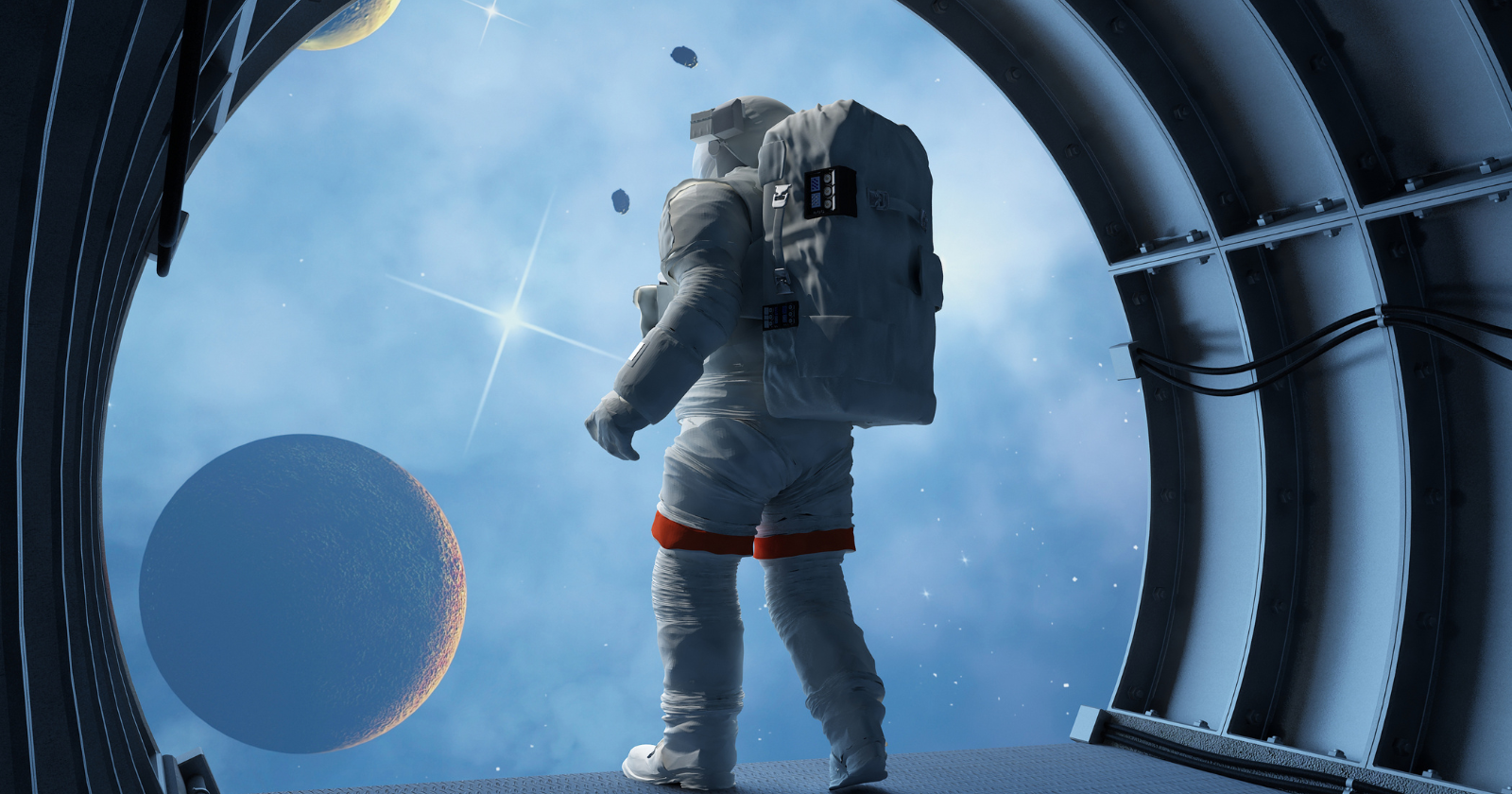
    Scott Kelly spent a year in orbit while his identical twin brother stayed on Earth, and when he came home NASA discovered his gene expression had changed in ways that didn’t fully reverse Featured Image
    Share
    Facebook Twitter LinkedIn Pinterest Email

    In March 2015, NASA astronaut Scott Kelly launched to the International Space Station for a 340-day stay, the longest single spaceflight ever made by a NASA astronaut. His identical twin brother, Mark Kelly, a retired astronaut himself (and now a US senator), stayed on the ground. That setup gave scientists something they had never had before: two people with the same DNA, the same training, and most of the same life history, with one sent to orbit for almost a year and the other kept on Earth as a comparison.

    The result was the NASA Twins Study, one of the most detailed looks ever taken at what long-duration spaceflight does to the human body. Here is what it actually found, including the part that got widely misreported.

    Why identical twins make a near-perfect experiment

    The hardest part of studying spaceflight is separating the effects of space from everything else that makes one person different from another. Genetics, diet, and lifestyle all muddy the picture. Identical twins remove most of that noise. Because Scott and Mark started from the same genetic baseline, researchers could treat Mark as a living control and attribute differences that showed up in Scott, and not in Mark, to the year in orbit.

    Ten research teams collected blood, urine, saliva, and stool samples from both brothers before, during, and after the mission, along with cognitive tests and physical measurements. They tracked everything from gut bacteria to gene activity to the structure of Scott’s eyes and arteries.

    The headline finding: gene expression, not DNA

    The result that made news was about gene expression. When Scott returned to Earth, NASA reported that about 93 percent of his gene expression went back to normal within roughly six months, while around 7 percent stayed altered well after he landed.

    This is the point where most of the coverage went wrong, so it is worth slowing down. Gene expression is not the same thing as DNA. Your DNA is the fixed genetic code in your cells. Gene expression is which of those genes are switched on or off, and how strongly, at any given time. Expression changes constantly in everyone, in response to stress, sleep, diet, illness, and environment. A year in microgravity, bombarded by radiation and cut off from a normal day-night cycle, is about the biggest environmental change a body can experience, so it is no surprise that it shifted which genes were active.

    The genes that stayed altered were linked to things like immune function, DNA repair, bone formation, and the body’s response to low oxygen and high carbon dioxide. NASA nicknamed them Scott’s “space genes.”

    No, the twins did not stop being identical

    In 2018, a wave of headlines claimed that Scott’s “DNA had changed” and that he and Mark were “no longer identical twins.” That was false, and NASA publicly corrected it.

    Scott’s underlying DNA sequence did not fundamentally change. He and Mark remained identical twins. The “7 percent” figure referred to gene expression that had not returned to baseline, not to alterations in his genetic code. The confusion came from collapsing two different ideas, expression and sequence, into one scary-sounding sentence. If you take away one thing from this story, make it that distinction.

    The other changes the study found

    Gene expression got the attention, but the study turned up several other effects, some of which reversed and some of which lingered:

    • Telomeres: The protective caps on the ends of chromosomes, called telomeres, unexpectedly got longer while Scott was in space. Researchers had expected the stress of spaceflight to shorten them. After he returned, they shrank quickly, and he ended up with more unusually short telomeres than before, which is generally associated with aging.
    • Gut bacteria: The balance of microbes in Scott’s gut shifted noticeably in orbit, then largely returned to normal once he was back on Earth.
    • Cognition: Scott’s thinking speed and accuracy held up well in space but dipped after landing, likely from readjusting to gravity and a packed post-mission schedule.
    • Body and eyes: He lost body mass, his arteries showed some thickening, and he experienced changes in his eyes and vision, a known issue for long-duration astronauts.

    What it actually means for space travel

    When the full study was published in the journal Science in 2019, the overall message was more reassuring than the early headlines suggested. The majority of the changes returned to baseline, and the researchers concluded that human health can be largely sustained over a year in space. There was no evidence of catastrophic or wholesale damage to the body.

    That does not mean spaceflight is harmless. The lingering changes, the short telomeres, the altered immune-related gene activity, and the eye and vascular effects, are exactly the kind of thing NASA needs to understand before sending crews on a multi-year round trip to Mars, where the exposure would be far longer. The Twins Study is best understood as a roadmap of where to look, not a clean bill of health.

    The bottom line

    A year in space measurably changed Scott Kelly’s body, mostly at the level of gene expression rather than his actual DNA, and most of those changes reversed after he came home. The study is a landmark not because it revealed something alarming, but because it showed, in unusually fine detail, how adaptable the human body is, and which specific systems we will need to watch closely on the way to Mars.

    Produced with AI assistance. Reviewed by the Make Tech Easier editorial team before publication. See our editorial policy and about page.

    About this article

    This article is for general information and reflection. It is not professional advice. For your specific situation, consult a qualified professional. Editorial policy →

    brother Changed didnt discovered Earth expression fully Gene home identical Kelly NASA orbit Reverse Scott Spent stayed twin Ways Year
    Share. Facebook Twitter Pinterest LinkedIn Tumblr Telegram Email
    Previous ArticleWhy it’s time to start discussing semiconductors like commodities: There may be a supercycle
    Next Article Student Loan Borrowers Are 3.8x More Likely to Be Behind on Their Mortgage in 2026
    administración
    • Website

    Related Posts

    In October 2002, a Russian scientist named Dimitri Malashenkov stood up at a space conference in Houston and quietly explained that the dog Laika, whom the Soviet Union had publicly mourned as a heroic week-long orbiter in 1957, had actually died of heat and panic within about five hours of launch.

    June 5, 2026

    When survivors near Lake Nyos woke on the morning of 22 August 1986, the cattle were dead in the fields, the birds had fallen out of the trees, and 1,746 of their neighbours were lying where they had stood the night before, with no fire, no flood, and no wound to explain it.

    June 4, 2026

    When Soviet pilot Viktor Belenko landed a top-secret MiG-25 at a Japanese airport in September 1976, American engineers tearing it down expected to find titanium and microchips, and instead they found vacuum tubes, rivets popped by hand, and a stainless steel airframe so heavy it could only fly fast in a straight line.

    June 4, 2026
    Add A Comment
    Leave A Reply Cancel Reply

    Top Posts

    In October 2002, a Russian scientist named Dimitri Malashenkov stood up at a space conference in Houston and quietly explained that the dog Laika, whom the Soviet Union had publicly mourned as a heroic week-long orbiter in 1957, had actually died of heat and panic within about five hours of launch.

    June 5, 2026

    This investing strategy digs deeper to find hidden stocks riding the AI wave

    June 4, 2026

    When survivors near Lake Nyos woke on the morning of 22 August 1986, the cattle were dead in the fields, the birds had fallen out of the trees, and 1,746 of their neighbours were lying where they had stood the night before, with no fire, no flood, and no wound to explain it.

    June 4, 2026

    Subscribe to Updates

    Get the latest sports news from SportsSite about soccer, football and tennis.

    About Us

    Welcome to FinancBlog, your trusted online resource for personal finance insights, money management tips, and financial education designed to help you make smarter financial decisions.
    At FinancBlog, our mission is simple: to make personal finance easy, understandable, and accessible for everyone. Whether you are looking to save more money, understand banking products, explore loans, or build passive income streams, we provide well-researched and easy-to-read information to guide you.

    Facebook X (Twitter) Instagram Pinterest YouTube
    a1
    Top Insights

    In October 2002, a Russian scientist named Dimitri Malashenkov stood up at a space conference in Houston and quietly explained that the dog Laika, whom the Soviet Union had publicly mourned as a heroic week-long orbiter in 1957, had actually died of heat and panic within about five hours of launch.

    June 5, 2026

    This investing strategy digs deeper to find hidden stocks riding the AI wave

    June 4, 2026

    When survivors near Lake Nyos woke on the morning of 22 August 1986, the cattle were dead in the fields, the birds had fallen out of the trees, and 1,746 of their neighbours were lying where they had stood the night before, with no fire, no flood, and no wound to explain it.

    June 4, 2026
    Get Informed

    Subscribe to Updates

    Get the latest creative news from FooBar about art, design and business.

    © 2026 inancblog.com. All rights reserved. Designed by DD.

    • About Us
    • Contact Us
    • Terms & Conditions
    • Privacy Policy
    • Disclaimer

    Type above and press Enter to search. Press Esc to cancel.

    Ad Blocker Enabled!
    Ad Blocker Enabled!
    Our website is made possible by displaying online advertisements to our visitors. Please support us by disabling your Ad Blocker.