

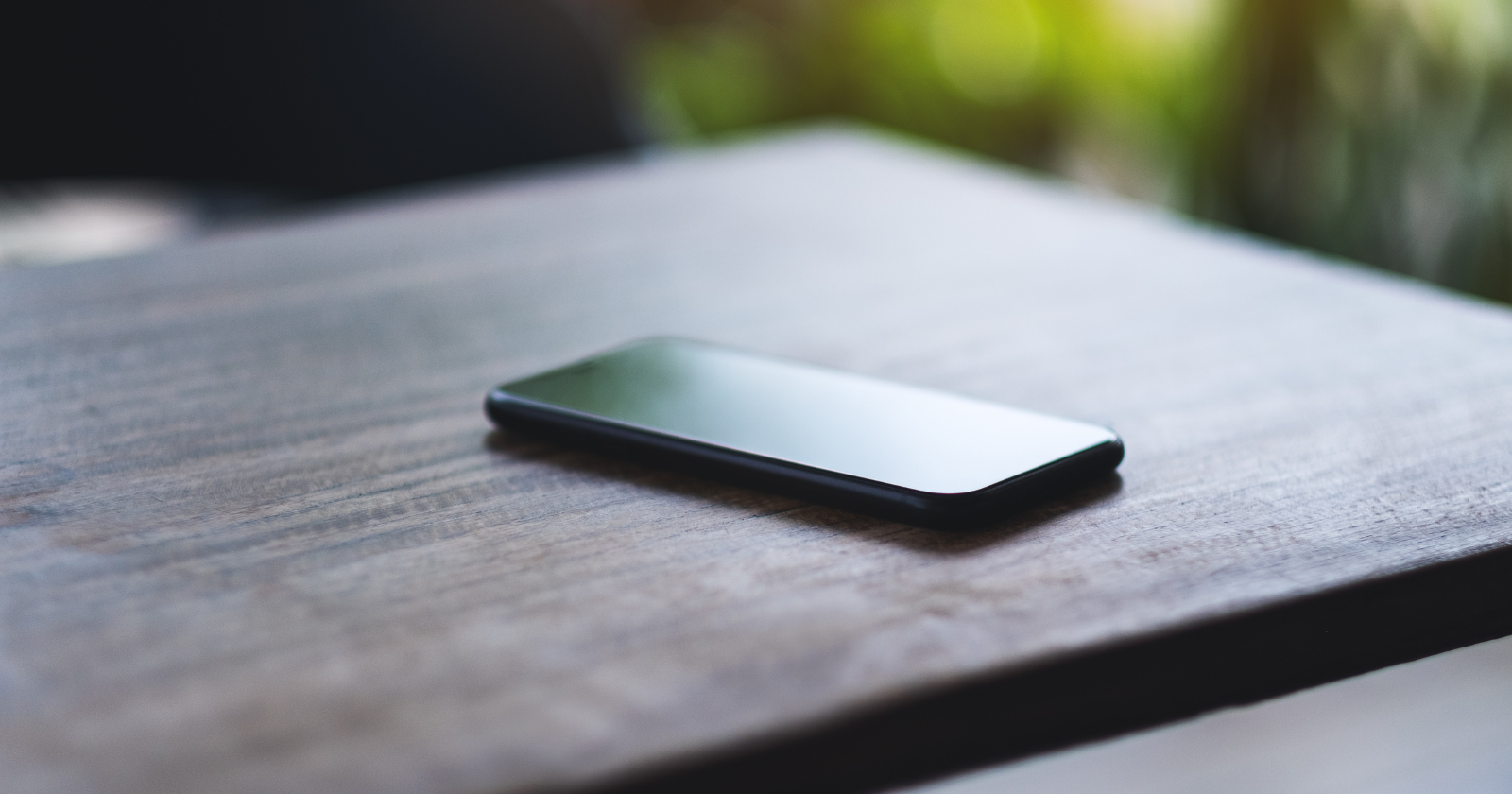
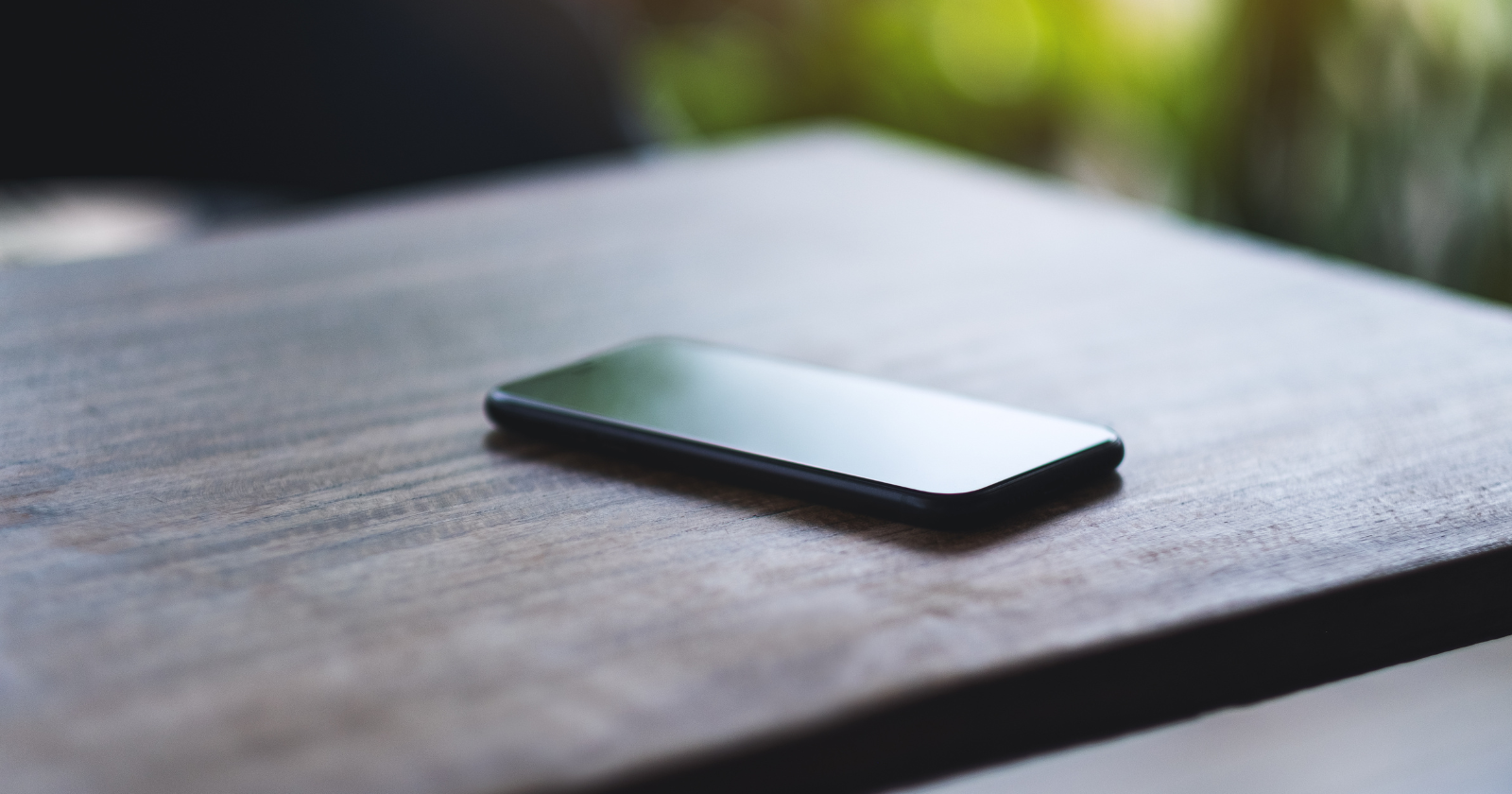
There is a small gesture some people make without thinking about it. They sit down, put their phone on the table, and turn it face down. Not in a pointed way, not with any announcement. The screen just goes against the wood, every time, in every cafe and meeting room and kitchen.
The gesture invites a reading, and the readings are rarely generous. Face down means you are hiding something. It means a message you do not want seen, a notification from the wrong person, a life being kept partly off the books. At best it is taken as a piece of etiquette theatre: look how present I am being.
Most of the time it is none of those things. The more ordinary explanation is that the person has noticed something about being reachable, and has made a quiet adjustment to it.
This is an observation about a habit, not a research finding. But there is a body of work on attention and interruption that makes the habit easier to understand, and it is worth setting out plainly, including the parts that are contested.
What being interruptible actually costs
The intuition that an interruption costs you only the time it takes is wrong.
In a 2015 study published in the Journal of Experimental Psychology: Human Perception and Performance, Cary Stothart and colleagues at Florida State University had people work on an attention-demanding task while their phones, sitting nearby, occasionally buzzed with calls and messages. Participants were not allowed to check them. Simply receiving the notification was enough to worsen performance, and the size of the disruption was comparable to what other studies had found when people actually used their phones. The notification did its damage by prompting the mind to drift toward the unanswered thing.
The cost also outlasts the interruption itself. Gloria Mark, who has spent years studying how office work is actually carried out, has described a working day far more fragmented than most people assume, with attention switching between tasks every few minutes. In a 2008 paper, The Cost of Interrupted Work, Mark and her co-authors found that people tend to compensate for interruptions by working faster afterwards, then pay for it in higher stress, frustration and effort.
Put those together and a picture emerges. To be interruptible is not to absorb an occasional small tax. It is to keep your attention permanently available, so that anything arriving can claim it, and so that the work of climbing back to where you were happens several times an hour.
The phone face down is a smaller move than it looks
It is tempting to go further and say the phone harms you simply by existing on the table. That stronger claim has a famous source and a shakier evidence base than its popularity suggests.
In 2017, Adrian Ward and colleagues published a study in the Journal of the Association for Consumer Research proposing a brain drain effect: the mere presence of your own smartphone, even when silent and not being used, reduced the cognitive capacity available for other tasks. The finding travelled widely. It also ran into trouble. A 2022 replication using the same tasks failed to reproduce the effect, and a later meta-analysis described the overall evidence as mixed. The mere-presence claim is suggestive. It is not settled, and it should not be quoted as though it were.
This matters for how much weight to put on the gesture. Turning a phone face down is not a cure for anything, and the research does not support treating it as one. What it does is narrower and more practical. It removes the lit screen, the preview of the message that appears face up, the feed that can be read with a glance. It does not make a person unreachable. It raises the friction slightly, and changes a default.
Handing your time to whoever rings first
That word, default, is the heart of it.
A phone face up on the table, notifications on, is a standing invitation for other people to set your agenda in real time. Whatever arrives gets a hearing. The reordering is not done by importance. It is done by timing and by volume: the message that came in most recently, the alert that was loudest, the person who happened to reach you first. Urgency stands in for priority, and the two are not the same thing.
The person who turns the phone over has not opted out of contact. They have opted out of that particular arrangement. They can still be reached. They have simply declined to let the running order of their attention be decided by whoever contacts them, in the order the messages arrive. It is a small reassertion of a question most people answer by accident: who decides what I attend to, and when.
Seen that way, the gesture points the other way from secrecy. The screen is not being hidden from the people at the table. The table is being protected from the people who are not at it.
What the gesture does not tell you
None of this means that every face-down phone carries the same meaning, and it would be a mistake to swap one tidy story for another.
Plenty of people turn their phones over out of pure habit, having picked it up from someone else without deciding anything. For some, the original suspicious reading is simply accurate: there is a screen they would rather the person opposite did not see. Others do it as a performance of attentiveness, which is the etiquette theatre the gesture is sometimes accused of. The behaviour is consistent. The motive behind it is not, and it cannot be inferred from the gesture alone.
The research deserves the same caution. The interruption studies are persuasive, but most are laboratory experiments or field studies of office workers, the effects are real rather than dramatic, and the strongest version of the mere-presence claim has not held up. What survives all of that is a modest, useful point: being constantly reachable has a cost that is easy to underrate, and reducing the prompts that pull at your attention is a reasonable response to it.
That is the claim worth keeping. A phone face down on the table is, for many people, a low-effort way of managing that cost. It is not proof of a disciplined mind, and it is not evidence of something to hide.
What we keep coming back to is how little the gesture asks. It is not a digital detox or a deleted account or a productivity system. It changes one default, from reachable at a glance to reachable on purpose, and leaves everything else intact. Whether that adds up to much depends entirely on what a person does with the attention they have kept back. Turning the phone over is the easy part.
