


Key Points
- The SIMPLE Act (H.R. 10220) would require the Department of Education to notify federal borrowers who are 31 days delinquent and automatically move them into the lowest-payment income-driven repayment plan at 75 days if they haven’t chosen one.
- The bill lets the IRS share tax return data with the Department of Education so payments can be set without borrower paperwork. Borrowers with no adjusted gross income on file and only pre-July 2026 loans would get a $0 payment automatically.
- The auto-enrollment provisions wouldn’t take effect until July 1, 2028. Prior versions in 2016 and 2024 never advanced past committee, and this one has only Democratic cosponsors so far.
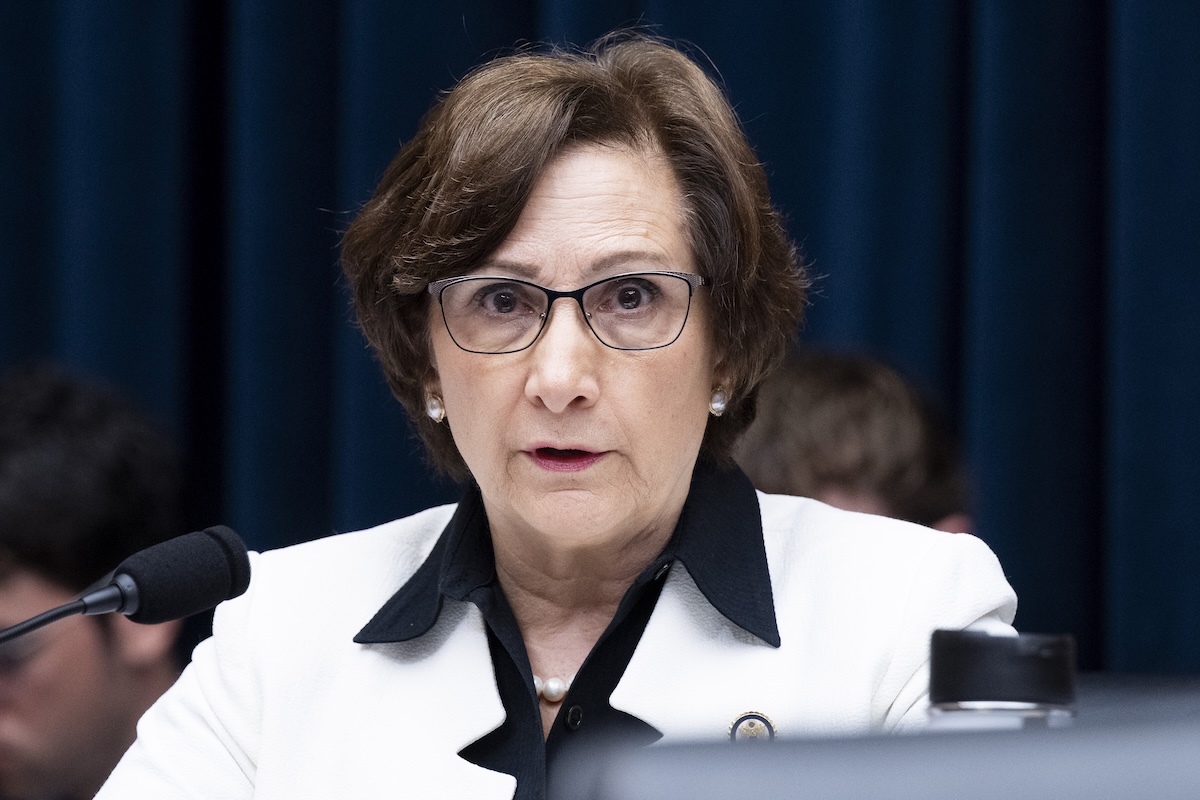
Rep. Suzanne Bonamici (D-Ore.) reintroduced the Streamlining Income-driven, Manageable Payments on Loans for Education (SIMPLE) Act on September 2, 2026, with six House Democratic cosponsors. The bill (H.R. 10220) would require the Department of Education to contact federal borrowers once they are 31 days past due, show them what they would owe under every income-driven repayment plan they qualify for, and then move them into the lowest-payment plan automatically if they are still delinquent at 75 days.
The bill has been sent to the House Education and Workforce Committee and the Ways and Means Committee. NASFAA reports a similar bill was first introduced in 2016 and last reintroduced in 2024, and this version is largely unchanged apart from updates that add the Repayment Assistance Plan (RAP) to the list of eligible income-driven plans.
Why It Matters
Student loan default is one of the worst financial issues an individual can face. Default is always more expensive that repayment, as direct collection costs generally exceed the amount due under income-driven repayment plans. There are also indirect costs of damaged credit, including higher auto loan rates, higher credit card APRs, higher auto insurance premiums, the potential for required utility deposits, and more.
Education Secretary Linda McMahon told senators in April that more than 1 in 4 federal borrowers are delinquent or in default, and only about 40% of the 43 million borrowers in the $1.7 trillion portfolio were making any payment at all. Default triggers wage garnishment of up to 15% of disposable pay, tax refund offsets, and Social Security withholding.
Many low income borrowers avoid selecting a repayment plan because they think they cannot afford it. But borrowers in an IDR plan with low income can qualify for payments as small as $0. They simply have to know the plans exist, pick one, and keep recertifying their income annually.
The SIMPLE Act’s bet is that the government already has the tax data needed to make that decision for borrowers who don’t act.
The Details
The bill’s mechanics build on the timeline servicers already follow once a student loan enters delinquency:
- Day 31 notice. Borrowers at least 31 days delinquent receive a notice detailing each delinquent and current loan, the repayment plans they qualify for, the monthly payment under each plan, and simple instructions for switching. If the department has the borrower’s IRS data, the notice shows the exact IDR payment and the income and family size behind it.
- Day 75 auto-enrollment. If the borrower is on a non-IDR plan with a higher payment than an IDR plan would charge and hasn’t picked a new plan, the department places them in the IDR plan with the lowest monthly payment. Ties go to the plan with the most favorable terms. Borrowers can switch to any other eligible plan afterward.
- A second look. Borrowers who pick a new plan but stay delinquent for at least another 60 days get moved again if a lower-payment plan exists.
- Rehabilitation borrowers. Anyone rehabilitating a defaulted loan gets a notice after the sixth qualifying payment and is automatically placed in the lowest-payment IDR plan after the ninth.
- IRS data sharing. The bill amends Section 6103 of the tax code so the IRS can disclose return information for these purposes. Borrowers (and spouses) must approve the disclosure once and can opt out at any time by supplying income documentation instead.
- $0 payments without paperwork. Borrowers with no adjusted gross income on file who only hold loans made before July 1, 2026 would get a $0 payment in most IDR plans with no additional documentation.
- Leaving IBR. Borrowers on Income-Based Repayment could exit to any eligible plan at any time – not just standard or RAP. Interest would still capitalize, and this is only helpful until PAYE and ICR end in 2028. This is the one provision that takes effect on enactment.
The auto-enrollment provisions would cover Direct Loans and FFEL loans the department has purchased or been assigned. Commercially held FFEL loans are “noncovered,” meaning borrowers would see them in the notice but couldn’t be auto-enrolled on them, and Parent PLUS loans would still face their existing IDR eligibility limits.
How This Connects
The bill comes in the middle of the largest student loan changes in years. SAVE is gone, and borrowers must choose between IBR and RAP, with the remaining legacy plans set to sunset by 2028.
The New York Fed’s Q2 data showed serious delinquency falling to 7.83% from 12.88% a year earlier, though that improvement came as collections and garnishment restarted, not because enrollment got easier.
Under current rules, a borrower who ignores their servicer still slides toward default; under the SIMPLE Act, that borrower would be routed into a payment they can afford before default ever happens.
What’s Next
The auto-enrollment provisions wouldn’t take effect until July 1, 2028 if the law went into effect. So it wouldn’t have much impact to the immediate delinquency and default concerns.
Watch for whether the bill picks up Republican cosponsors or gets folded into a broader Higher Education Act package, but honestly prior versions never advanced past committee.
In the meantime, delinquent borrowers don’t have to wait for Congress. Our repayment plan comparison and RAP calculator can show what an income-driven payment would look like today.

Robert Farrington is the founder of The College Investor and is widely recognized as one of the nation’s leading voices on student loan debt and saving for college. He holds an MBA from UC San Diego Rady School of Management and has spent over 15 years researching, writing, and advising on student loans, 529 plans, financial aid programs, and saving and investing for young professionals.
Robert has been featured in the The New York Times, The Wall Street Journal, The Washington Post, NBC News, and Forbes, where he has been a regular personal finance contributor for over a decade. His work combines both professional expertise and personal experience – he successfully navigated his own student loan repayment journey and has helped thousands of readers do the same.
He is committed to making the intersection of personal finance and education transparent and accessible. You can learn more about Robert on the About Page or on his personal site RobertFarrington.com.
