

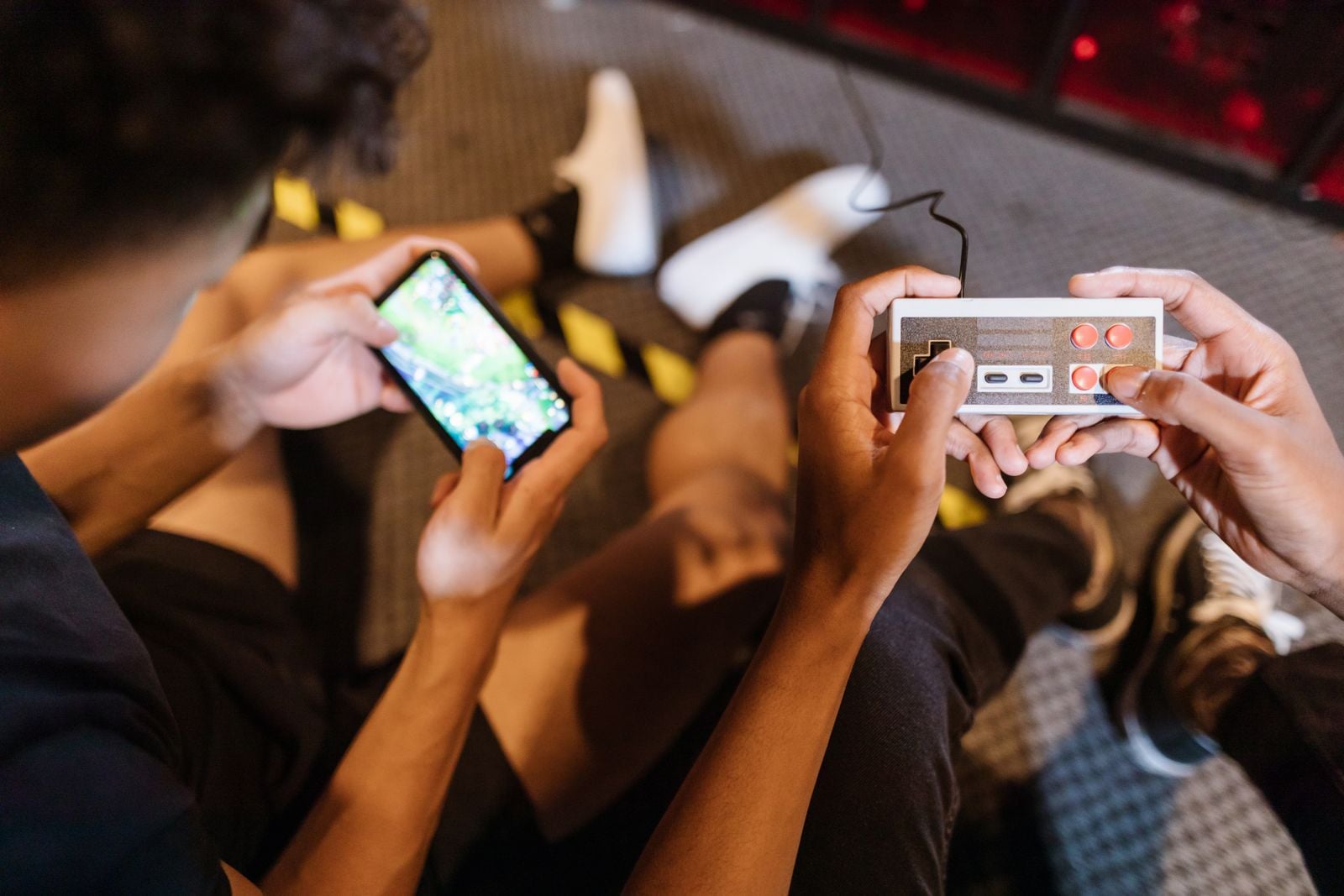
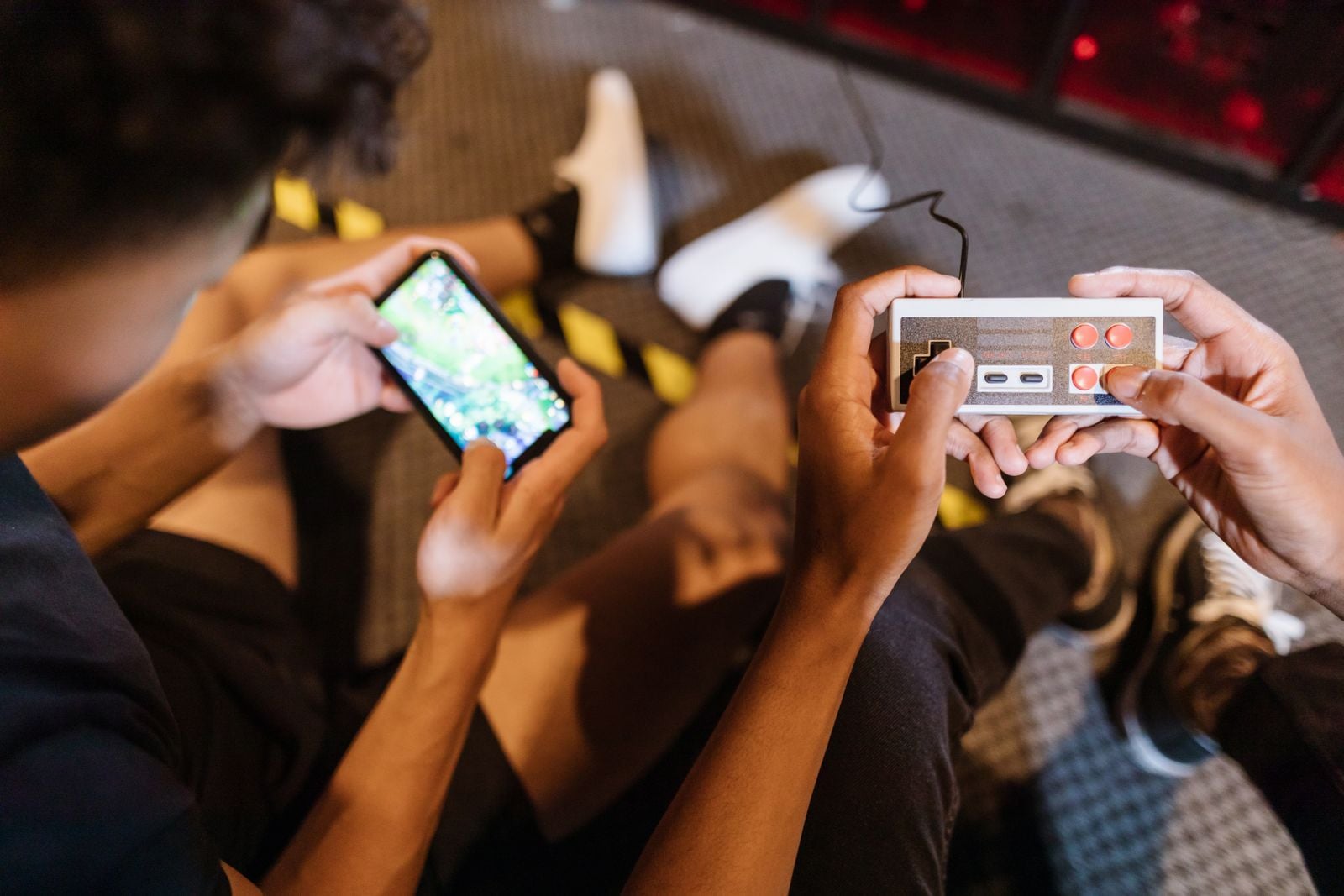
The game was Pokémon GO, and within a week of its US release the app was on more American Android phones than Tinder, with daily use rivalling Twitter. Niantic’s servers buckled repeatedly through July as tens of millions of new accounts signed on. What made the game unusual for small business owners was not the download count. It was where the players physically stood.
Pokémon GO anchored its gameplay to real-world coordinates called PokéStops and Gyms. Players had to walk to them to collect items, battle, and — critically — to activate a paid item called a Lure Module that drew Pokémon to that exact spot for thirty minutes.
A café whose front door happened to sit within a few metres of a PokéStop became, overnight, a place where strangers loitered with their phones out for half an hour at a time. A café three doors down, with no stop nearby, felt nothing at all.
Where the map came from
The location layer was not built for the game. Niantic had spent years collecting it for an earlier title, Ingress, launched in 2013. Ingress players themselves had nominated points of interest — public art, historical markers, churches, libraries, unusual architecture, trailheads, distinctive shopfronts — and Niantic’s reviewers approved them. When Pokémon GO shipped, it inherited that database wholesale. John Hanke, Niantic’s chief executive, told Forbes in July 2016 that the map was essentially the Ingress portal set, refiltered.
That inheritance is the reason the foot-traffic effect was so uneven. A bakery next to a mural got a PokéStop at its door. A bakery next to a blank wall, three doors down, got nothing.
The unevenness cut both ways. Some businesses that gained a stop had done nothing to earn it; a designer’s converted church became a Gym simply because the building had once been listed as a landmark in Ingress, years before he moved in.
What the traffic numbers actually showed
Foursquare’s own year-end data review found that visits to US parks rose by as much as 37 percent in the month the game launched, one of the sharpest single-month swings the company tracked all year.
The clearest single number came from outside the US. In the Philippines, mall operator Megaworld reported that daily foot traffic at its PokéStop-dense Eastwood City complex in Manila more than doubled in the weeks after the game’s local release, outpacing traffic at nearby developments with fewer stops.
Anecdotal reports piled up closer to home too. A pizzeria in Long Island City told its weekend sales rose about 75 per cent after the owner spent roughly ten dollars on Lure Modules to keep Pokémon spawning near the counter.
MacRumors documented similar effects at bars and restaurants in several US cities within a fortnight, from a Brooklyn dive bar reporting heavier foot traffic to the same Queens pizzeria drawing citywide attention.
The pattern was not universal. Businesses without a nearby stop saw nothing. Some venues sitting on stops — a private home mistakenly still catalogued as a church, the United States Holocaust Memorial Museum, cemeteries — asked to be removed.
Why the surge did not last
By September the daily active user count was falling fast. Sensor Tower and Apptopia both tracked a decline of roughly 15 million daily users from a July peak near 45 million to about 30 million by late August, and further through autumn. The foot-traffic bump at PokéStop-adjacent businesses faded on the same curve.
Three mechanisms account for most of the drop, and none of them are mysterious.
The first is the collapse of the novelty cohort. A large share of July’s players were people who had never played a Niantic game and were not otherwise Pokémon fans. Once the initial rush passed, they stopped opening the app. This is the standard shape of a viral mobile launch, and it happened faster than usual here because the game’s outdoor loop was demanding — it required walking, battery, and daylight.
The second is a set of feature changes that broke the incidental-encounter loop the game depended on. On 31 July 2016 Niantic removed the “three-step” nearby tracker, the feature that told players roughly how far a Pokémon was from their location.
A week later the company shut down third-party tracking sites, including the popular PokéVision, which had been reading Niantic’s API to show live spawn maps. Players who had been travelling to specific stops to catch specific Pokémon lost the reason to travel. The Reddit community’s response was immediate and loud, and the retention data followed.
The third is seasonal. The Northern Hemisphere summer holidays ended. Children went back to school. Adults stopped playing at lunch. A game that required walking outdoors lost its easiest hours.
What the business bump actually was
Read against those three curves, the small-business surge looks less like a new marketing channel and more like a temporary geographic accident. A café near a PokéStop was not benefiting from a durable feature of the game. It was benefiting from three overlapping conditions: a novelty cohort of tens of millions, a working discovery loop that told players where Pokémon were, and a summer with long evenings. Remove any one, and the effect at the door weakened. Remove all three, as happened by early September, and the effect largely disappeared.
Niantic understood this clearly enough to build a paid product on top of it before the summer was even over. In July 2016, alongside the game’s Japan launch, the company struck a sponsored-location deal with McDonald’s Japan turning roughly 3,000 restaurants into Gyms and PokéStops. It followed that December with similar US deals covering thousands of Sprint and Starbucks locations. The message to small businesses was that organic proximity to a stop would not be a lasting advantage — sponsored status would.
What the record does and does not show
Several confident claims from July 2016 do not hold up on inspection. The often-quoted figure that Pokémon GO “added tens of billions of dollars” to Nintendo’s market value refers to Nintendo’s share price, not its earnings; Nintendo itself reminded investors on 22 July 2016 that it owned only a partial stake in The Pokémon Company and did not develop the game, and the share price fell 18 per cent on the next trading day.
The claim that the game caused a measurable national uptick in walking activity rests largely on a 2016 BMJ study that found an average increase of about 955 steps per day among players in the first week, fading to no significant difference by week six. That fade tracks the business-traffic fade closely.
What the record does support is narrower and more interesting: for roughly eight weeks in the summer of 2016, a database of public landmarks assembled by Ingress players between 2013 and 2015 quietly determined which shopfronts on a given street got a windfall and which did not. The businesses that benefited most were the ones already sitting next to something a stranger had once thought worth photographing.
For a broader look at how location data quietly shapes what happens on a phone, see the Make Tech Easier piece on how metadata reconstructs a day without reading a single message.
The map outlasted the moment. Niantic still runs on the same portal database, now curated through Pokémon GO‘s own Wayfarer review system, and it still decides which café gets the crowd.
